


Choosing a press release submission website in 2025 is no longer a simple checklist task. The landscape has changed. Media outlets publish faster, journalists filter harder, and search engines judge credibility more strictly than ever before. Kind of strange when you think about it—press releases are everywhere, yet visibility feels harder to earn.
That is exactly why the platform used for distribution matters more than most people expect.
A press release may be written well, on time, and actually newsworthy. However, when it falls into an inappropriate platform, then its evidence is widely gone. Have you ever wondered why certain releases are ranked, shared, and picked up by blogs and others disappear hours after they are released? Usually, the difference is not chance.
The question then is, what will it really mean when the right press release submission site is selected in 2025?
Why this choice matters more than it used to
The search engines do not treat the press releases in the same way as they did a few years ago. Poor quality distribution channels, duplicate content, and spam-infested networks may lead to the destruction of brand confidence. And not immediately either. The effects become evident in the future: reduced visibility, reduced indexing, and reduced organic mentions.
Anyway, the point is simple. Distribution is no longer about volume. It is about placement, credibility, and long-term visibility.
A reliable press release submission website acts as a bridge between brands and the media ecosystem. A poor one acts like a dead end.
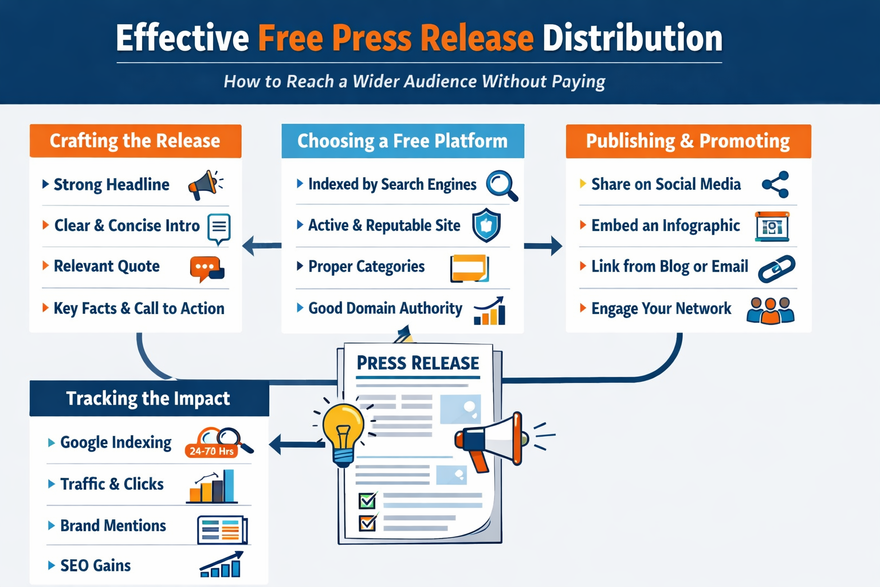
Does the platform actually get indexed?
This sounds basic, but it is still overlooked.
A strong platform ensures press releases are crawlable, indexable, and structured correctly for search engines. That includes clean URLs, proper metadata, and fast-loading pages. Without this, even well-written announcements struggle to appear in search results.
Why does that happen? Usually because some platforms focus only on submissions, not discoverability.
A quick check worth doing: look at recently published releases on the platform. Are they appearing in search results within a reasonable time? If not, that is a red flag.
Media reach vs. media noise
Many platforms claim “wide distribution,” but what does that actually mean?
In practical terms, reach should include visibility across news aggregators, business blogs, niche industry portals, and journalist discovery feeds. Noise, on the other hand, means publishing alongside thousands of low-quality or irrelevant releases.
Not fully sure why some platforms still push quantity over relevance, but the results speak for themselves. Journalists do not scroll endlessly. They skim, filter, and move on.
A credible press release submission website curates content categories properly and avoids turning the feed into a dumping ground.
Editorial standards still matter.
Here’s the thing. Platforms with basic editorial checks tend to perform better over time.
This does not mean rewriting content or blocking creativity. It means filtering obvious spam, misleading headlines, and promotional overload. Releases published alongside clean, professional content earn more trust—both from readers and search engines.
In everyday PR work, it is noticeable that journalists are more likely to engage with releases coming from platforms known for moderation. That credibility carries weight.
Transparency in pricing and features
Another area where many businesses get caught off guard.
Some platforms advertise free or low-cost submissions but restrict visibility, limit indexing, or remove content after a short period. Others charge premium fees without clearly explaining what is included.
A reliable platform is transparent about:
- How long releases remain live
- Whether links are do-follow or no-follow
- If analytics or performance insights are available
- Any editorial or approval process involved
It's kind of funny how unclear pricing often signals unclear value.
SEO compatibility without forcing it
In 2025, SEO for press releases is subtle. Forced keywords, over-optimized anchor text, and unnatural linking patterns do more harm than good.
A strong press release submission website supports natural SEO by allowing clean formatting, proper headings, and contextual links. Nothing excessive. Nothing spam-like.
That balance is important. Search engines reward clarity, not manipulation.
Industry relevance and category placement
Not every platform suits every industry.
Technology releases perform differently than lifestyle announcements. Financial news requires a different audience than travel or education updates. A good platform offers clear categorization and industry alignment.
Ever noticed how some releases feel out of place when published? That usually happens when the platform does not understand audience segmentation.
Choosing a site aligned with the intended audience increases pickup potential almost immediately.
Analytics and performance feedback
In modern PR workflows, visibility without insight feels incomplete.
Even basic metrics—views, impressions, referral clicks—help evaluate performance. While press releases are not about instant conversions, understanding reach matters.
Platforms offering zero feedback often leave brands guessing. And guessing is not a strategy.
Long-term reputation over short-term reach
This is where many decisions go wrong.
Chasing instant exposure on questionable platforms can undermine brand credibility. Meanwhile, consistent publishing on a reputable press release submission website builds authority gradually.
Search engines notice consistency. Media professionals notice patterns. Trust compounds quietly.
And then… results start appearing where they actually matter.
Final thought worth considering
Choosing the best press release submission website in 2025 is less about flashy promises and more about fundamentals—indexing, credibility, relevance, and transparency.
The platforms that respect content, readers, and search engines tend to deliver steady value. The ones that cut corners usually show it sooner or later.
A press release is still a powerful communication tool. The platform behind it decides whether that message travels—or stalls.




Latest comments (0)